
Latest Insights
Discover the latest trends, insights and innovations in AI, computer science, tech development and digital transformation.

Agentic commerce in 2026: what the numbers actually say
AI referred traffic to US retail grew 393 percent in a year and now converts better than every other channel. The pages doing the selling are the least readable ones on the site.

You probably blocked the AI shopping agents by accident
The bot that trains a model and the bot that answers a live shopping question are different bots with confusingly similar names. Most merchants blocked both with one line, and nothing in analytics reports it.

UCP, ACP, AP2 and MCP: which one does your store actually need?
Four acronyms, four different heights in the same stack. Adopting one does not give you the others, and the one your platform handed you for free is table stakes, not an advantage.

What is a SVG Graphics? How Scalable Vectors Work
Are your website images slowing down load times and looking blurry on modern 4K displays? If you are still relying entirely on PNGs or JPEGs for logos and icons, you are falling behind. Understanding what is a SVG graphics and how it works is critical for modern web design. SVGs use math instead of pixels, resulting in file sizes that are up to 80% smaller than traditional formats. Discover how scalable vector graphics can instantly boost your site's SEO, enhance accessibility, and deliver razor-sharp visuals on any screen imaginable.

AI for D2C Brands: What You Actually Need to Fix First
Are you terrified your e-commerce business will become obsolete if you don't adopt artificial intelligence immediately? You aren't alone, but the relentless hype is misleading. Rushing into AI for D2C brands without a solid operational foundation won't fix your leaks—it will only scale your inefficiencies. In fact, companies that skip basic data hygiene waste up to 40% of their tech investments. Before you sign another software contract, you must master your data plumbing, unit economics, and standard operating procedures. Discover the exact foundational steps required to turn AI from a costly distraction into a massive profitability engine.
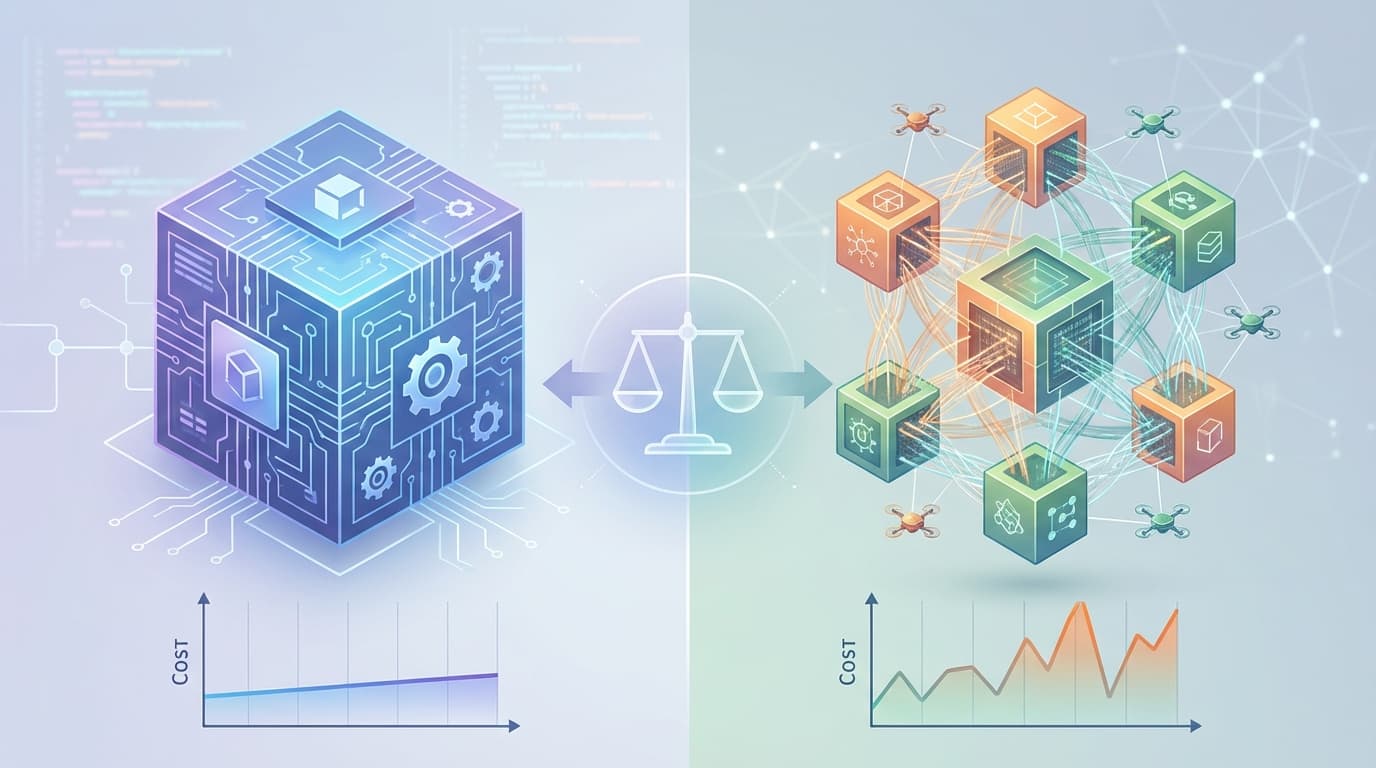
Monolith vs Microservices: Startup Architecture Guide
Are you draining your startup's runway on complex infrastructure you do not even need? The monolith vs microservices debate has plagued engineering leaders for years, often pushing early-stage companies into premature optimization. While tech giants championed distributed systems, recent data shows reverting to a single codebase can reduce infrastructure costs by a staggering 90%. In this guide, we break down the hidden costs of distributed systems and reveal why the modular monolith is the new standard. Discover how to choose the right architecture to scale your product faster, keep costs low, and maximize developer productivity.
More Insights

Google Gemma 4 Release: Why It's a Massive AI Game-Changer
Are you tired of vendor lock-in and sky-high API costs dictating your AI strategy? The Google Gemma 4 release is about to shatter those limitations. Built on Gemini 3 architecture, this revolutionary open-weight AI family brings frontier-level intelligence directly to your local hardware. Featuring up to 31 billion parameters, a massive 256K context window, and a commercially permissive Apache 2.0 license, it is a foundational leap for developers. Stop relying on closed ecosystems and start building lightning-fast, multimodal autonomous agents that run entirely offline and on your own terms.

What is DOM in Web Development? Why AI Agents Need It
Discover what is DOM in web development and why the Document Object Model is the secret engine powering modern AI browser automation and web scraping agents.

OpenClaw AI: The Autonomous Agent Revolutionizing Work
Discover how OpenClaw AI is transforming the tech landscape. Learn about this viral open-source autonomous agent, its powerful AgentSkills, and security.

The "Green" Backend: How Rust Slashes Your Cloud Bills (and Carbon Footprint)
Are your soaring cloud infrastructure bills keeping you up at night? For CTOs and startup founders, the cost of scaling a backend can sometimes outpace revenue. But what if the solution wasn't adding more servers, but changing the core language you build with? Discover why the industry is shifting to Rust—the high-performance, memory-safe language that eliminates wasteful processes like "garbage collection." Learn how moving to a "green backend" built on Rust can help you handle the same traffic with 3x fewer containers, slashing both your operational costs and your carbon footprint.
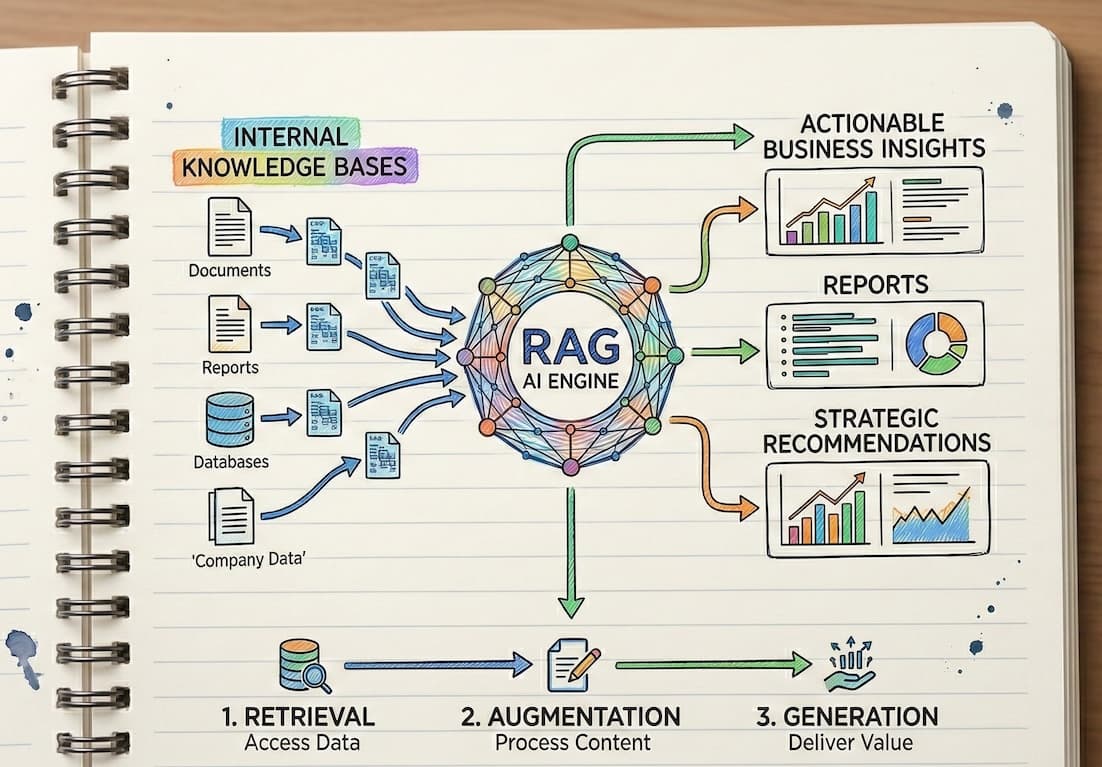
A Non-Technical Guide to RAG for Business Leaders
Generative AI is everywhere, but if you’ve tried using standard models for your business, you’ve likely hit a frustrating wall: they don't know your business. Ask a standard AI about your proprietary data, and it will either fail or confidently invent an answer. Enter Retrieval-Augmented Generation (RAG). Think of standard AI as a brilliant student taking a closed-book exam—it has to rely entirely on memory. RAG changes the rules, turning it into an open-book test. By allowing the AI to securely search your company's private documents, databases, and files before generating an answer, RAG eradicates hallucinations and keeps your data secure. If you want an AI that actually works for your bottom line, RAG is where you start.
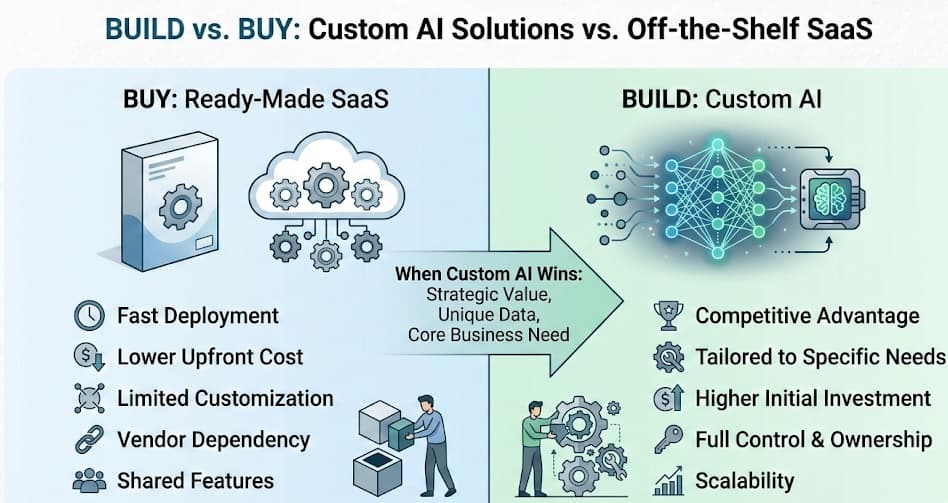
Build vs. Buy: When Custom AI Solutions Beat Off-the-Shelf SaaS
Is your company facing the "Build vs. Buy" dilemma for AI integration? While off-the-shelf SaaS offers speed, it often creates a ceiling for innovation. Discover the critical scenarios where investing in a custom AI solution forged specifically for your business yields a far greater return on investment and a sustainable competitive edge.